Lifestyle & Energy — New Zealand

How Lifestyle Shapes Your Daily Energy

Sleep patterns, food choices, movement and mental load all play a role in how you feel each day. Explore the connections — grounded in general wellness knowledge.

7–9
Hours of sleep recommended nightly
30+
Minutes of daily movement advised
2 L
Daily water intake for steady focus
4
Core lifestyle pillars for daily energy
What Shapes Energy

Six Lifestyle Pillars That Influence How You Feel

Each area of daily life contributes to your overall sense of vitality. Understanding these connections is the first step toward making more informed choices.

Read Guides
Sleep
Nutrition
Movement
Stress
Hydration
Routine
Sleep Quality

Consistent, restorative sleep supports cognitive function and mood. Irregular patterns can leave you feeling drained even after a full night.

Nutrition Choices

Whole foods and balanced meal timing support steadier blood sugar levels, which can contribute to more consistent energy across the day.

Physical Activity

Regular movement supports circulation and contributes to better sleep. Even short walks throughout the day can make a noticeable difference.

Stress Awareness

Prolonged mental strain depletes energy reserves. Structured breaks, mindful pauses, and social connection can help maintain a more balanced state.

Hydration

Even mild dehydration can affect concentration. Spreading water intake throughout the day supports both mental clarity and physical function.

Daily Rhythm

Consistent wake times, meal schedules, and wind-down rituals help regulate your body's internal clock for more predictable energy patterns.

Your Day in Energy

Understanding the Natural Energy Rhythm

Energy levels shift throughout the day in predictable patterns. Working with these rhythms rather than against them can support more consistent focus and rest.

6–9 AM
Morning rise — cortisol peak
10 AM–12 PM
Peak focus window
1–3 PM
Afternoon dip — rest or light activity
5–8 PM
Wind-down phase begins
9 PM–6 AM
Rest & recovery window
6:00 – 9:00 AM
Morning Rise

Cortisol naturally peaks in the early morning, supporting alertness. Light exposure and gentle movement can reinforce this natural wake signal.

10:00 AM – 12:00 PM
Peak Focus Window

Cognitive performance tends to be at its highest mid-morning. Tasks requiring concentration and decision-making often feel more manageable during this period.

1:00 – 3:00 PM
Afternoon Lull

A natural post-lunch dip is common. A short walk, light snack, or brief rest can help bridge this period without disrupting evening sleep.

5:00 – 8:00 PM
Wind-Down Phase

As daylight fades, the body begins preparing for rest. Reducing screen time and dimming lights supports a smoother transition to sleep.

9:00 PM – 6:00 AM
Rest & Recovery

Quality sleep allows the body to consolidate memories, regulate hormones, and restore resources for the following day.

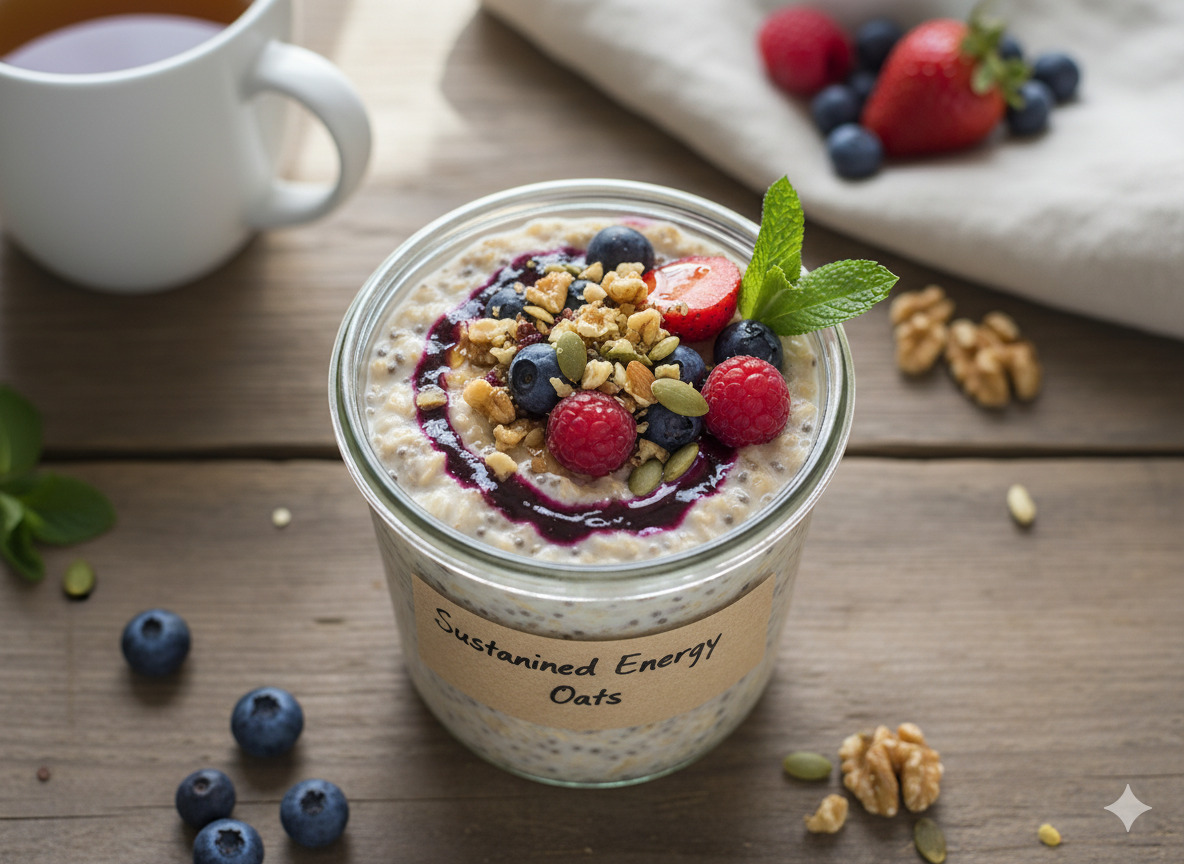
Wholefood meal preparation supporting steady energy throughout the day
Nutrition & Rest
Food & Sleep

What You Eat Can Influence How You Sleep

The relationship between food choices and sleep quality is closely linked. Certain nutrients are associated with the body's natural relaxation processes.

  • Magnesium-rich foods like leafy greens and nuts are often associated with relaxation
  • Avoiding large meals close to bedtime may support easier sleep onset
  • Limiting caffeine after midday helps preserve natural sleep signals
  • Consistent meal timing supports circadian rhythm stability

Nutrition Guides
Everyday Insights

Patterns Worth Paying Attention To

These observations are drawn from general lifestyle knowledge and reflect common patterns — not personal recommendations.

01
Consistent Wake Time

Waking at a similar time each day — including weekends — is associated with more stable sleep quality over time.

02
Morning Light Exposure

Getting natural light within the first hour of waking can help reinforce the body's internal clock and support daytime alertness.

03
Steady Fuel Choices

Foods that release energy gradually — whole grains, legumes, vegetables — are associated with more consistent focus compared to high-sugar options.

04
Protecting Wind-Down Time

A consistent pre-sleep routine — reducing bright light and limiting screens — signals to the body that rest is approaching.

05
Spreading Hydration

Distributing water intake throughout the day, rather than in large amounts at once, helps maintain steadier hydration levels.

06
Scheduled Recovery Breaks

Short, intentional breaks during mentally demanding periods can help maintain performance over longer stretches of focused work.

Person walking outdoors in New Zealand countryside for daily movement
Movement & Wellbeing
Movement

Why Regular Movement Matters for Energy

Physical activity is one of the most consistently discussed lifestyle factors in relation to daily energy and general wellbeing.

  • Light activity like walking supports circulation and alertness
  • Breaking up long periods of sitting may help reduce afternoon fatigue
  • Outdoor movement in natural light is associated with mood and sleep quality
  • Consistency over intensity tends to be more sustainable long-term
Daily Habits
From Our Readers

What People Are Noticing

These are general observations shared by readers exploring lifestyle changes. Individual experiences vary and these are not personal recommendations.

"

Paying more attention to when I eat, rather than just what I eat, has been an interesting shift. I notice my afternoons feel more settled when I keep meal times consistent.

R
Rawiri T.
Wellington, New Zealand
"

I started going for a short walk after lunch instead of sitting at my desk. The afternoon slump feels less pronounced now — it's a small change but it seems to help.

A
Aroha M.
Christchurch, New Zealand
"

Keeping a consistent bedtime — even on weekends — took some getting used to, but my mornings feel more predictable. It's been a gradual shift worth exploring.

J
James O.
Auckland, New Zealand

Important Information

The information provided on this website is intended for general informational and educational purposes only. It does not constitute professional advice and should not be considered a substitute for consultation with qualified professionals.

All content reflects general topics related to lifestyle, personal well-being, and everyday habits. Individual experiences may vary. Before making any changes to your daily routine or lifestyle, consider your personal circumstances and, if necessary, seek guidance from a qualified specialist.

This website does not provide diagnosis, personalised recommendations, or any form of therapeutic guidance.